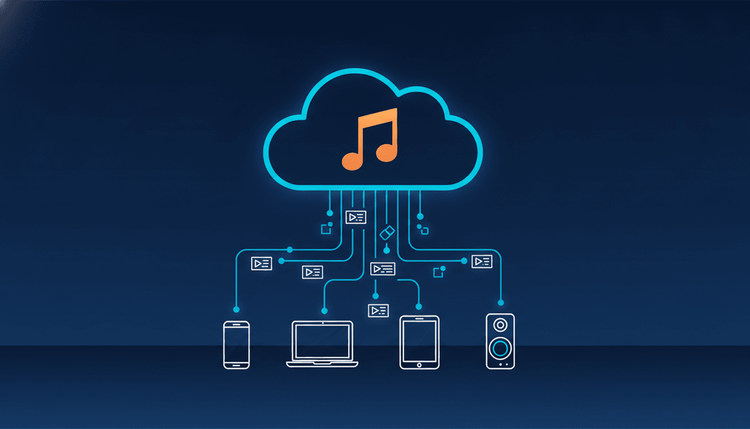
Skip to the content

Blog

Latest updates, tutorials, and insights from the MusicAPI team

What Is a Unified API? Definition, Benefits, and Real-World Examples

What Is a Unified API? Definition, Benefits, and Real-World Examples

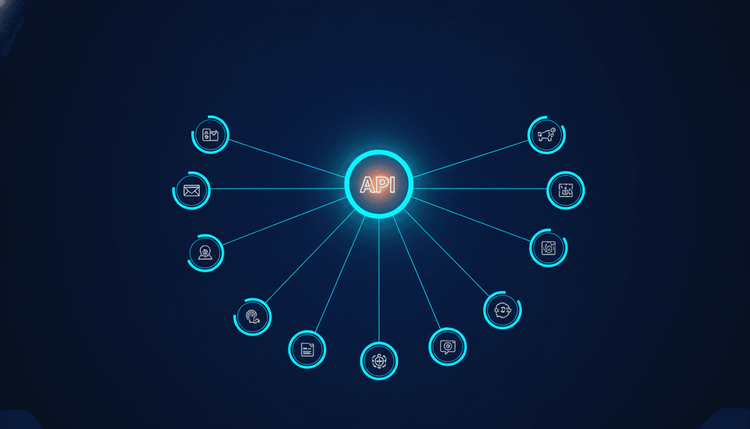
A unified API is a single interface that connects your application to multiple third-party services through one standardized set of endpoints. Instead of building and maintaining separate integrations for each provider, you write your code once and reach every service through the same request format, authentication flow, and response shape.

Streaming Offer Integration: How to Embed Music Services in Your App

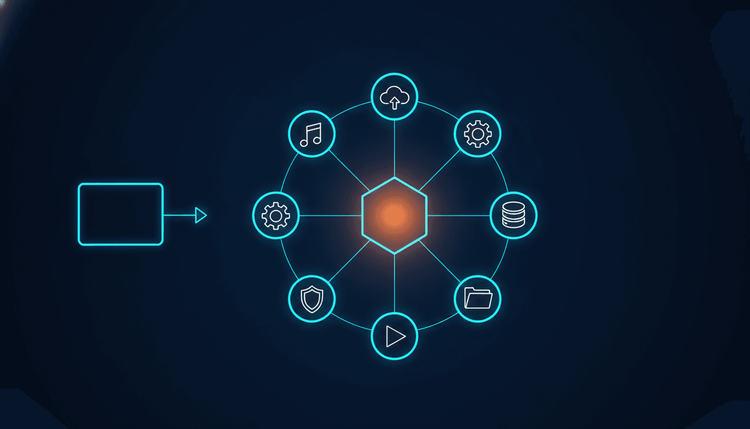
Streaming Offer Integration: How to Embed Music Services in Your App

Streaming offer integration embeds music streaming services directly into your app. Users authenticate, browse playlists, and access their library without leaving your product. This guide breaks down how streaming integration works, the engineering cost of building it per service, and how a unified API lets you connect 10+ streaming platforms with a single integration.

How to Handle Rate Limits Across Spotify, Apple Music, and 10+ Streaming APIs

How to Handle Rate Limits Across Spotify, Apple Music, and 10+ Streaming APIs

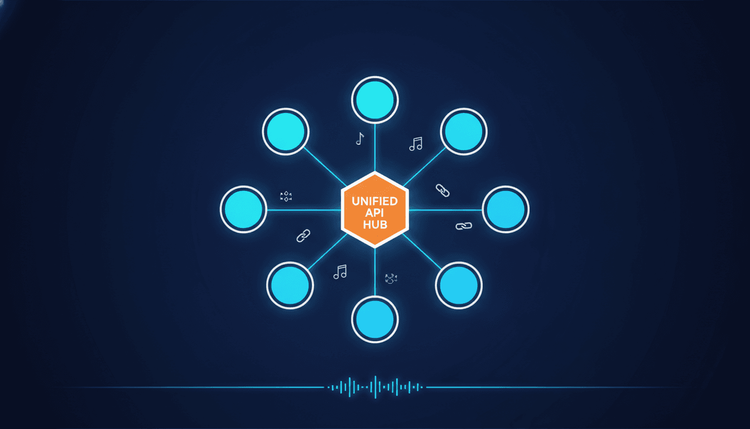
Every music streaming API enforces rate limits differently. Spotify counts rolling windows. Apple Music uses burst caps with daily quotas. YouTube Music charges per-unit costs against a daily budget. If your app connects to more than one service, you are managing multiple throttling strategies with zero standardization between them. This guide breaks down how rate limits work across major platforms, the mistakes that get developers throttled in production, and how to build resilient request handling that scales.

Music Generation APIs in 2026: What Developers Need to Know

Music Generation APIs in 2026: What Developers Need to Know

AI can now compose original music from a text prompt. Music generation APIs give developers programmatic access to that capability, letting you create background tracks, remix audio, or produce entirely new compositions inside your application. But generating music is only half the picture. Most apps also need access to existing music catalogs: user playlists, favorite tracks, and streaming service libraries. This post breaks down the music generation API landscape in 2026, shows where generation fits alongside catalog access, and walks through a practical architecture for combining both.